Field Projects
Work in environments where constraints are real and outcomes matter
These project areas show the kind of operational context I work in: physical environments, communication limits,
people using tools under pressure, and systems that need to survive outside a clean office assumption.
Field-aware consulting is useful when a workflow, product, or infrastructure decision must account for users, devices,
terrain, connectivity, support capacity, and operational continuity at the same time.
Process & Agriculture
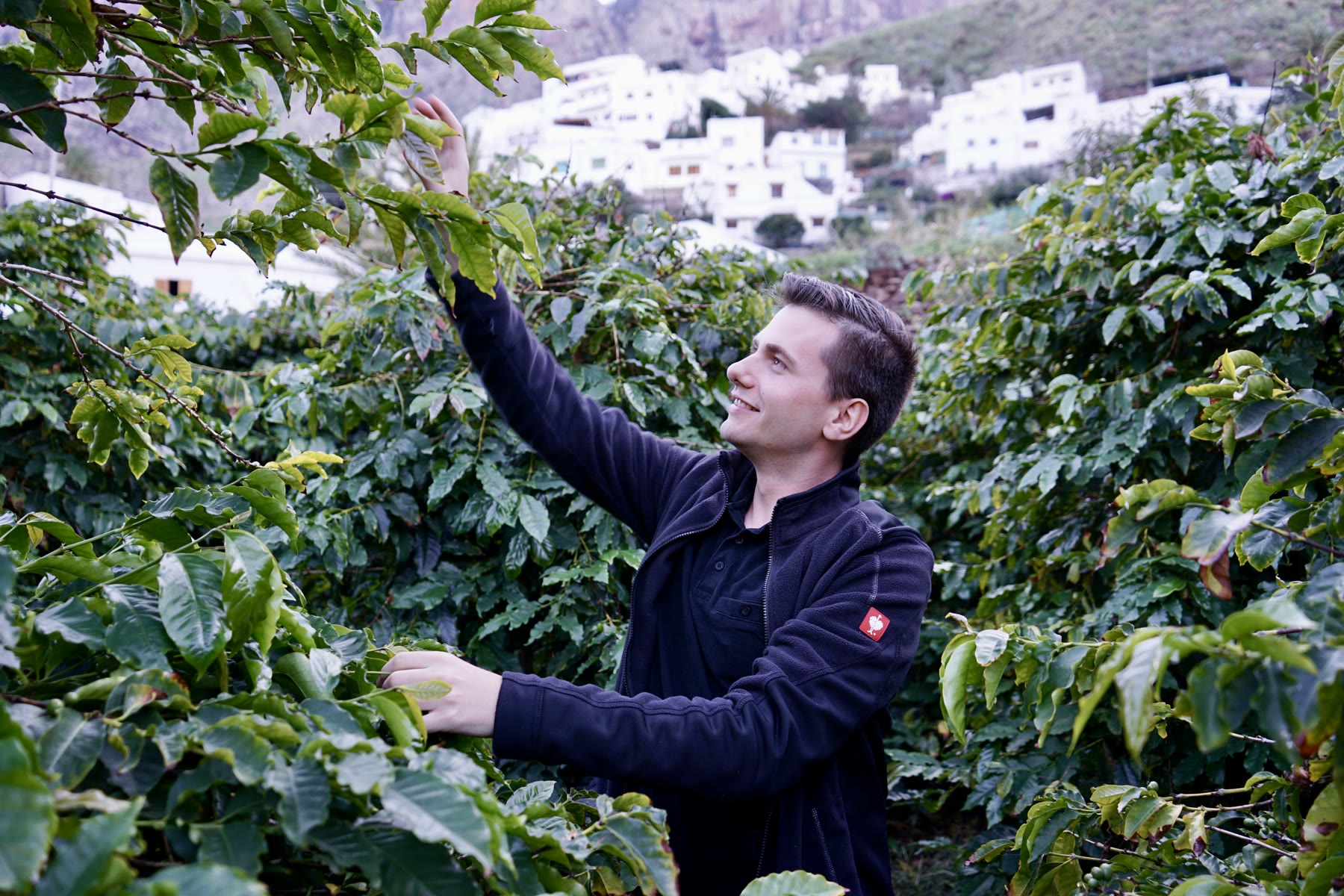
Coffee farming process management
Agricultural and production environments often combine physical work, seasonal variation, reporting pressure,
informal knowledge, and fragmented tools. Useful digitisation starts with the real workflow, not the software.
- Map production and reporting steps before selecting tools.
- Separate field data, office data, and decision data.
- Create routines that workers and managers can actually maintain.

Human Systems
Accessibility testing in practical workflows
Accessibility is not only a web issue. It affects internal tools, process screens, operational checklists, and
the ability of people to complete tasks without avoidable friction.
- Test the task, not just the page.
- Prioritise barriers by operational impact.
- Connect findings to delivery routines so improvements persist.
Off-Grid Infrastructure
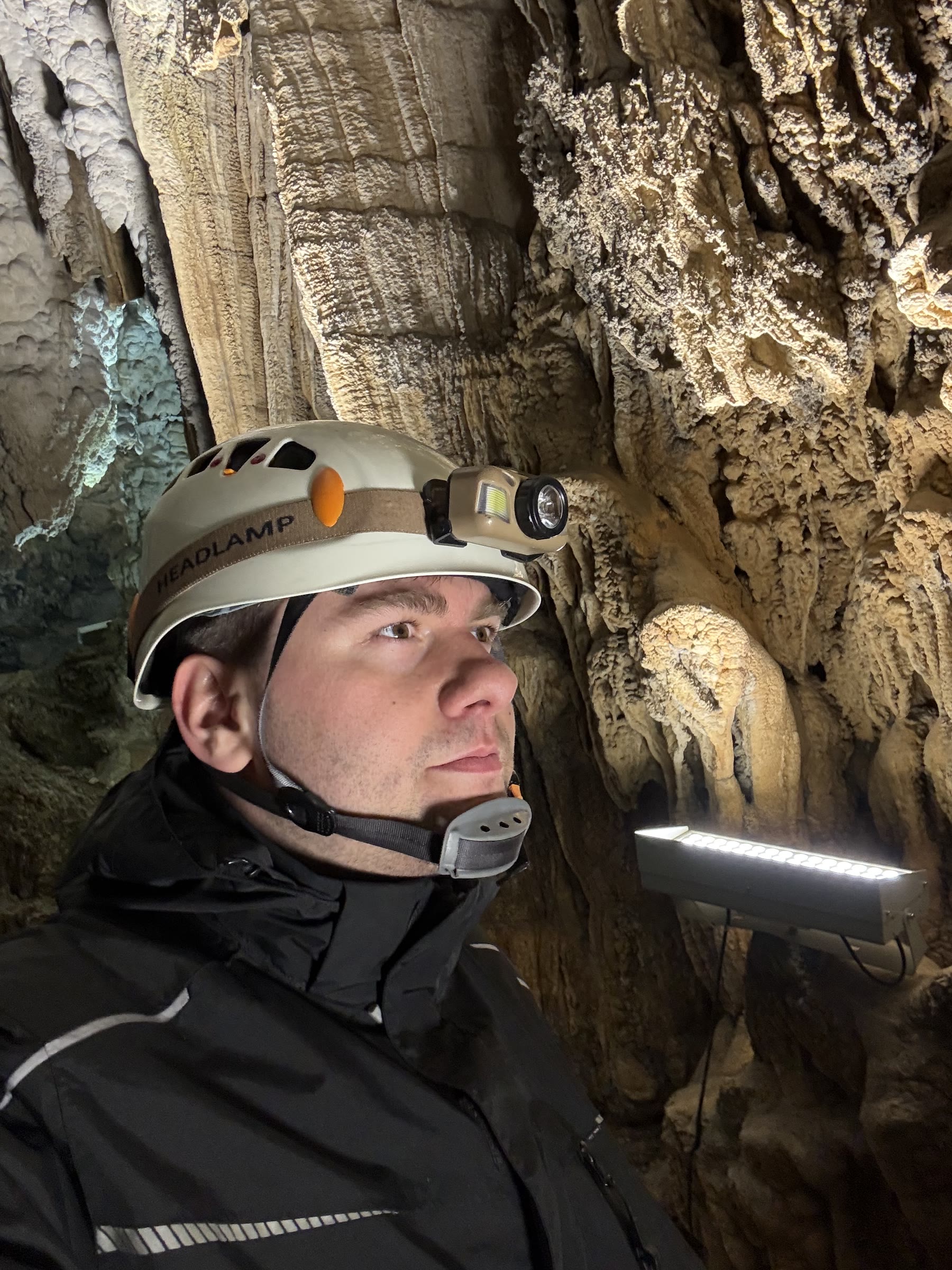
Cave infrastructure and constrained environments
Physically constrained environments expose weak assumptions quickly: power, signal, access, safety, support,
documentation, and fallback procedures all matter.
- Map dependencies before designing the technical solution.
- Plan for degraded communication and limited access.
- Document field routines for the people who will operate the system.
Mobile Systems
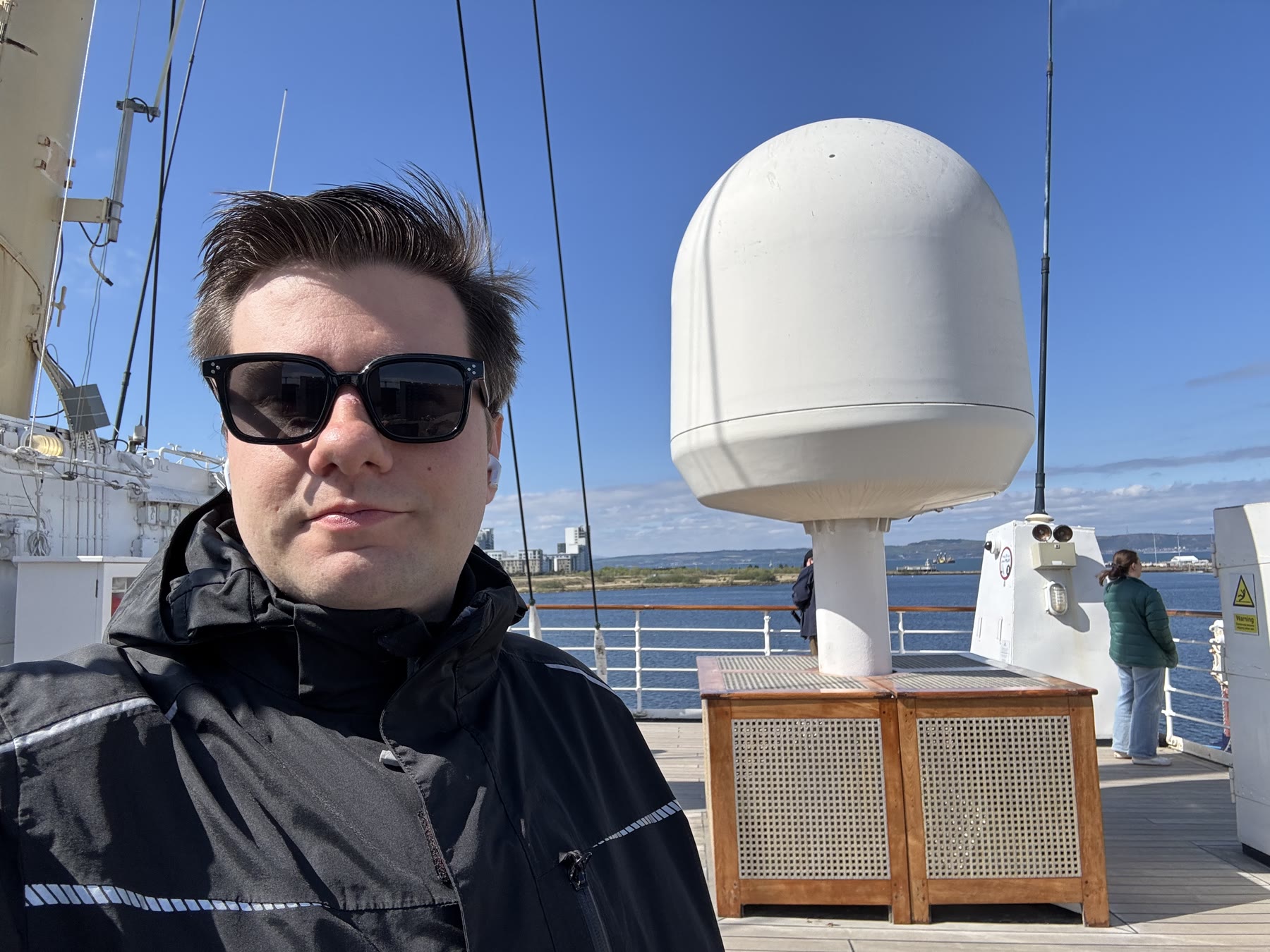
Maritime communication awareness
Mobile and maritime environments require a different mindset from fixed office infrastructure. Location, movement,
borders, weather, and communication assumptions influence what will actually work.
- Identify communication paths and fallback options.
- Clarify responsibilities across moving teams or assets.
- Design support routines for changing conditions.
Custom Software & AI
Small tools and AI workflows built around real operations
Some workflows need a focused internal tool, automation, integration, or AI-supported step rather than another
generic platform. The useful scope comes from the real task, the data, and the people who have to operate it.
- Map the job before choosing software or AI.
- Prototype small enough to validate with real users.
- Document ownership, review points, and maintenance before handover.
Patterns I Look For
What makes these projects different
Physical context changes technical decisions
Signal, access, power, weather, terrain, device availability, and site routines can matter as much as software architecture.
People carry the real process
The official workflow is often less important than the workarounds people use to keep operations moving.
Documentation is infrastructure
Field-ready systems need handover notes, decision records, runbooks, and training paths that survive staff changes.
Fallbacks are part of the design
When connectivity or access fails, teams still need to know what to do, who decides, and what information matters.